Hotel Ban Explained: Legal, Social, and Economic Impacts in 2025
A hotel ban refers to the restriction or outright prohibition of hotel development, operation, or short-term rentals within specific regions, typically enacted by government authorities or municipalities. These bans may target specific types of hotels (e.g., large chains), locations (like residential neighborhoods), or platforms (such as Airbnb or Vrbo), depending on the community’s legal, social, and economic concerns.
Hotel bans are not always permanent. Some are temporary moratoriums put in place to address issues like over-tourism, housing shortages, environmental impact, or to give time for the development of new zoning regulations. Others are long-term strategic decisions aimed at preserving local culture or reducing gentrification pressures.
Though often controversial, hotel bans are gaining attention globally as cities and communities try to balance tourism revenue with residents’ needs and sustainable development.
Table of Contents
ToggleReasons Behind Hotel Bans in Cities and Communities
Housing Shortages and Gentrification
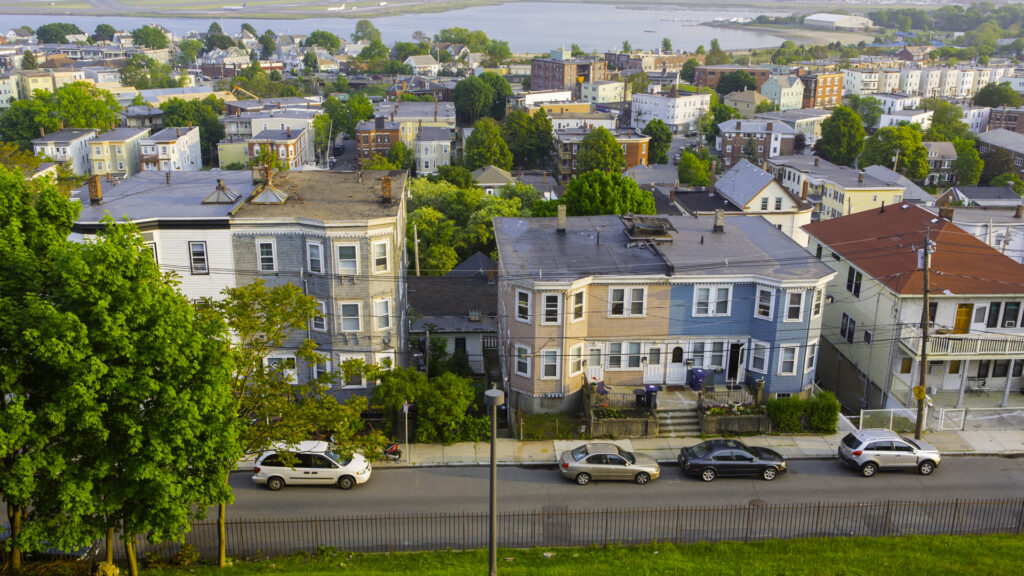
One of the most common drivers behind hotel bans is housing availability and affordability. In many urban centers, a surge in short-term rentals has led to the conversion of residential properties into de facto hotels. This reduces the number of units available for long-term tenants and often leads to rent spikes.
Municipalities like New York City and Barcelona have responded with strict regulations or outright bans to protect the long-term rental market. The goal is to stop housing speculation and allow locals to access reasonably priced homes rather than competing with transient tourists.
Preserving Community Character and Preventing Over-Tourism
Many hotel bans are enacted to maintain the cultural or historical integrity of neighborhoods. Excessive tourism can change the character of residential areas, leading to noise, litter, increased traffic, and loss of community identity.
Cities such as Amsterdam and Kyoto have enforced hotel and short-term rental restrictions to protect heritage areas from being overwhelmed by short-stay visitors. Local businesses, schools, and services thrive when neighborhoods are filled with permanent residents rather than a revolving door of tourists.
Legal and Policy Framework Surrounding Hotel Bans

Zoning Laws and Land-Use Regulation
Hotel bans are often based on zoning ordinances that dictate how land can be used in a specific area. Cities may ban hotels or rentals in zones designated strictly for residential use. This legal tool helps planners manage urban growth and mitigate problems associated with tourism overflow.
In some cities, zoning changes may go through public consultation, while others can implement emergency orders without prior notice. These decisions often trigger legal challenges from property owners or hospitality associations arguing against regulatory overreach.
Licensing and Platform Restrictions
Some hotel bans manifest not through land-use but via licensing frameworks. Cities might require short-term rental hosts to register with the municipality and obtain permits, then cap the number of allowable rentals or ban them outright if they exceed a threshold.
For example, San Francisco has implemented a 90-day limit on unhosted short-term rentals, while Berlin enforces penalties for landlords operating without proper authorization. Online platforms like Airbnb must comply by delisting unregistered properties or face legal consequences.
Benefits of Implementing a Hotel Ban Using Technology

Data-Driven Enforcement and Compliance
Modern cities are leveraging smart governance technology to enforce hotel bans more effectively. By integrating GIS data, zoning maps, and short-term rental listings, local authorities can identify illegal operations and take corrective action swiftly.
This reduces enforcement lag and enables cities to adapt dynamically to changing tourism flows. Artificial intelligence tools are also being tested to detect suspicious listings and flag potential zoning violations.
Preserving Infrastructure and Environmental Resources
In popular tourist destinations, infrastructure like water, electricity, and waste systems is often stretched to the limit during peak seasons. Smart metering and predictive analytics allow city planners to assess how short-term lodging impacts utilities and public services.
With accurate models, municipalities can make data-informed decisions about when and where hotel development should be limited, ensuring long-term sustainability without stalling economic growth.
Real-World Examples of Cities with Hotel Bans or Restrictions
New York City Crackdown on Short-Term Rentals
New York City is one of the most prominent examples where strict regulations are often mistaken for a “hotel ban.” In 2023, NYC introduced Local Law 18, which effectively banned unregistered short-term rentals under 30 days. Only hosts who are present during guest stays and have a maximum of two guests at a time are permitted.
This has led to the removal of thousands of listings from platforms like Airbnb and Vrbo. City officials argue the policy helps preserve affordable housing and limits disruptions in residential neighborhoods.
Barcelona’s Historic Core Hotel Moratorium
Barcelona, a city famed for its unique architecture and Mediterranean charm, placed a moratorium on new hotels in the Ciutat Vella (Old City) area. This move was in response to mass tourism and resident pushback over the loss of community space.
The city now promotes hotels outside the central zone, ensuring that tourism doesn’t overwhelm historical districts. The policy has successfully preserved local culture and reduced overcrowding, though critics argue it limits economic growth opportunities.
Amsterdam’s Cap on Hotel Licenses
Amsterdam has long battled the effects of over-tourism. Its response includes not just limits on short-term rentals but also a cap on new hotel developments. The city’s strategy emphasizes quality over quantity: no new hotels are permitted unless they replace an existing one or demonstrate clear public benefit.
This approach balances tourism-driven revenue with environmental and social concerns, using data from occupancy rates, transportation usage, and public feedback.
Insert image of the product format: Santa Monica’s Enforcement Against Illegal Rentals.
Santa Monica, California, implemented one of the strictest enforcement models for hotel bans related to short-term rentals. The city employs a dedicated enforcement team and legal staff to issue fines, shut down unregistered listings, and monitor compliance.
This has resulted in a dramatic reduction of illegal rentals, helping maintain the integrity of local housing stock and preserving the city’s coastal charm for both residents and responsible visitors.
Insert image of the product format: Kyoto’s Time-Based Short-Term Rental Ban.
Kyoto, Japan, introduced an innovative time-based regulation. In residential zones, short-term rentals are only allowed during parts of the year when local tourism doesn’t conflict with school terms or public holidays. This approach gives local families peace during the most sensitive times and spreads tourist traffic more evenly.
The unique policy has earned praise for its adaptability and has sparked interest in cities facing similar tensions between community needs and tourism economics.
Practical Benefits of Hotel Bans in Urban Planning
Protection of Local Housing and Community Stability
By limiting hotel and short-term rental proliferation, cities ensure more housing remains available for residents. This reduces pressure on rental markets, especially in cities with housing shortages. Stable housing markets lead to stronger, more cohesive communities where schools, local businesses, and services can flourish year-round.
Reducing Infrastructure Strain and Environmental Damage
Unchecked tourism can result in environmental degradation, from overloaded sewer systems to excessive waste. Hotel bans, when part of broader tourism management strategies, help mitigate these issues by limiting the number of short-term visitors in a specific area, especially in fragile ecosystems or dense urban zones.
Encouraging Sustainable and Equitable Tourism
Hotel bans also push municipalities to adopt smarter, more sustainable tourism models. By limiting rapid expansion and focusing on high-value, low-impact travel, cities can improve visitor experiences while protecting local resources. This aligns with global trends in responsible tourism and helps cities meet climate and equity goals.
Use Cases: Why Hotel Bans Are Relevant in Today’s Urban Landscape

Cities Overrun by Short-Term Rentals
Imagine a coastal town with 10,000 residents and 5,000 active short-term listings. With rising rent, declining school enrollment, and seasonal service job fluctuations, the local government steps in with a hotel ban. In 12 months, housing availability improves, locals return, and the downtown sees a resurgence of family-owned businesses.
Historic Districts Losing Identity
In a historic city center, entire blocks are bought by investors to build boutique hotels or convert apartments into tourist suites. Noise complaints rise, trash bins overflow, and the district becomes less livable. A hotel ban restores balance, preserving the historical aesthetic and encouraging cultural institutions to thrive.
Environmental Preservation in Fragile Ecosystems
A mountain village near a national park sees an influx of tourists due to online exposure. The local river becomes polluted, roads wear out faster, and wildlife retreats. A ban on new hotel construction near the park boundary allows nature to regenerate and pushes visitors toward eco-certified accommodations in designated areas.
FAQ
Q1: Is a hotel ban the same as banning short-term rentals?
No. A hotel ban typically refers to limiting the construction or operation of traditional hotels, while short-term rental bans target platforms like Airbnb. However, the two often overlap in policy discussions and implementation.
Q2: Do hotel bans harm tourism economies?
Not necessarily. While they limit volume, hotel bans can lead to better-managed, sustainable tourism that emphasizes quality over quantity. This may attract a higher-spending tourist demographic and preserve city infrastructure long-term.
Q3: Are hotel bans legal in most countries?
Yes, as long as they are implemented through valid zoning laws, licensing frameworks, or urban planning statutes. However, they may face legal challenges from property owners or business groups depending on the jurisdiction.