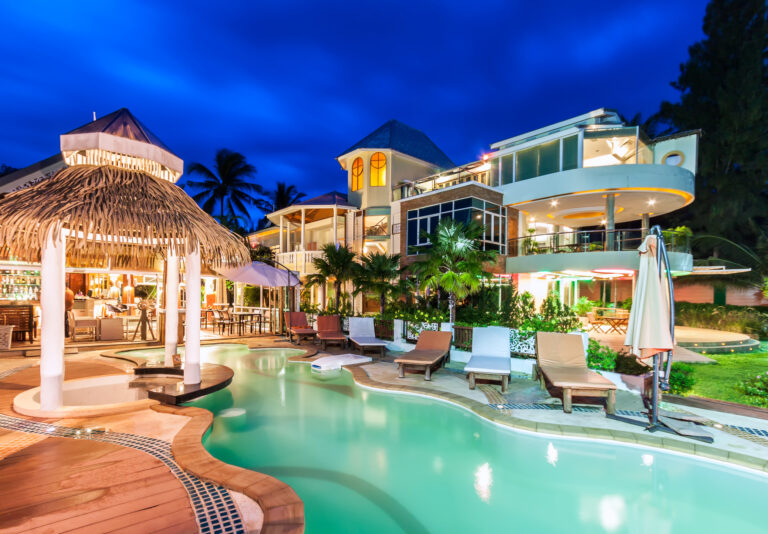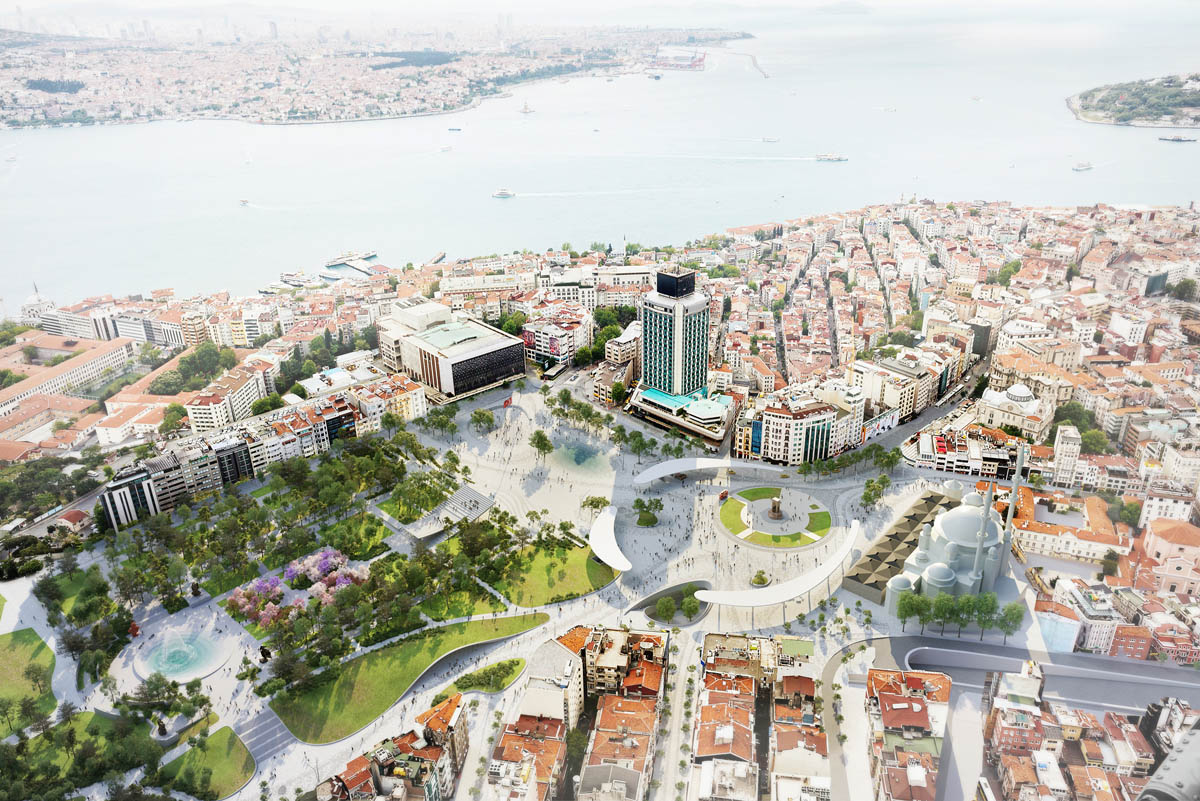
Gümüşyan Hotel: A Complete Guide to Istanbul’s Hidden Boutique Gem
Gümüşyan Hotel is one of Istanbul’s most iconic boutique accommodations, located in the heart of the vibrant Beyoğlu district. Originally constructed in the late 19th century, this elegant building has witnessed the cultural transformation of Istanbul through more than a century of architectural and urban evolution. Unlike mass-market luxury chains, Gümüşyan represents a deep connection to place, heritage, and the boutique hotel movement.
The property has been meticulously restored to reflect its neoclassical architecture while integrating subtle modern touches. Travelers who seek an authentic yet refined Istanbul experience are increasingly drawn to the hotel for its design ethos, historic charm, and central location just steps from Istiklal Street. While small in size, the Gümüşyan Hotel offers a large presence in Istanbul’s boutique hospitality landscape.
History and Architectural Significance of the Gümüşyan Building
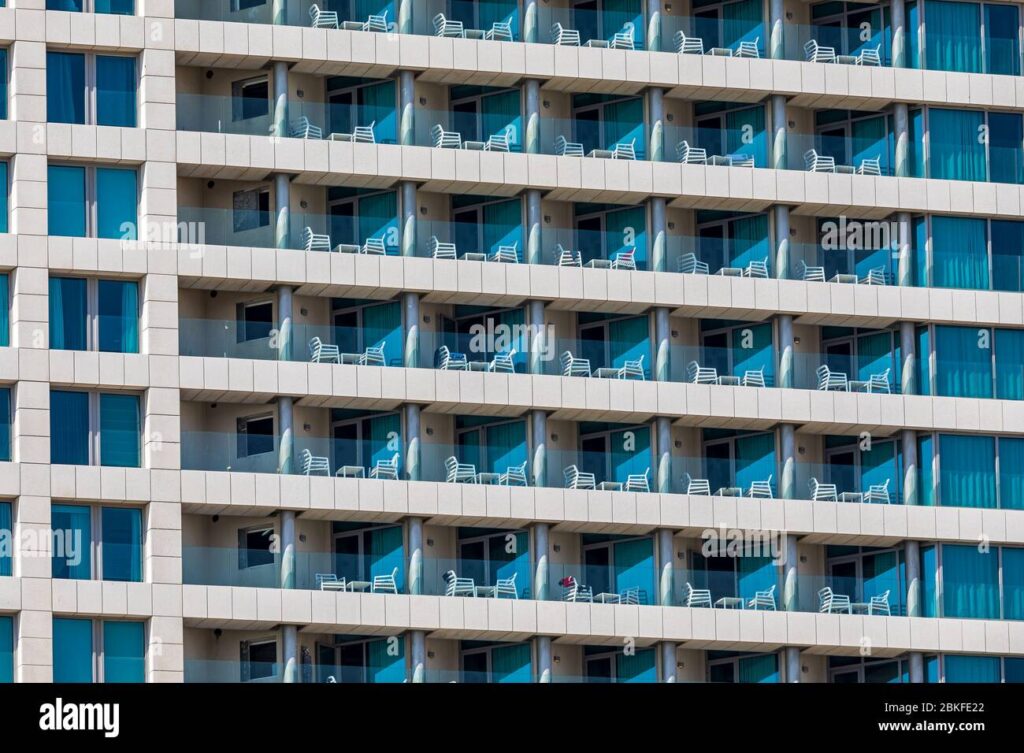
Gümüşyan Hotel facade and balconies.
The original Gümüşyan building was commissioned in the late 1800s by an Armenian banker, Levon Gümüşyan. Located on Mesrutiyet Avenue, the property once served as a multi-use residential and commercial building. The facade, with its prominent wrought-iron balconies and tall shuttered windows, is a defining characteristic of Beyoğlu-era architecture during the Ottoman Empire’s final years.
The structure fell into disrepair during the late 20th century but was later restored by architects who respected its original character. Instead of gutting the building, the team preserved the timber flooring, stone staircases, and external motifs while retrofitting the interior with modern plumbing, insulation, and minimalist furnishings. Today, Gümüşyan stands as a compelling example of adaptive reuse, bringing historical spaces into the 21st century without compromising their soul.
Modern Interior and Boutique Concept Design
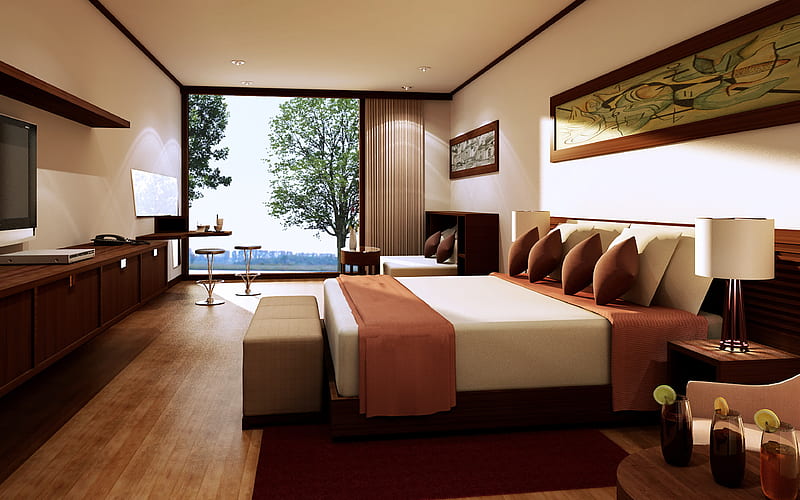
Interior design of the Gümüşyan Hotel room.s
The interior of the Gümüşyan Hotel blends raw materials like exposed brick, natural timber, and stone surfaces with minimalist Scandinavian-inspired design. Each of the 13 guest rooms features high ceilings, ambient lighting, and neutral-toned linens, giving the space a calming, contemporary aesthetic that contrasts yet complements the building’s exterior.
Common areas are intentionally understated: concrete floors, monochrome walls, and simple furnishings give the hotel a gallery-like feel. This choice of design appeals to creative professionals, solo travelers, and couples looking for a space that encourages relaxation, contemplation, and cultural immersion over opulence.
Technology Integration in Boutique Hospitality
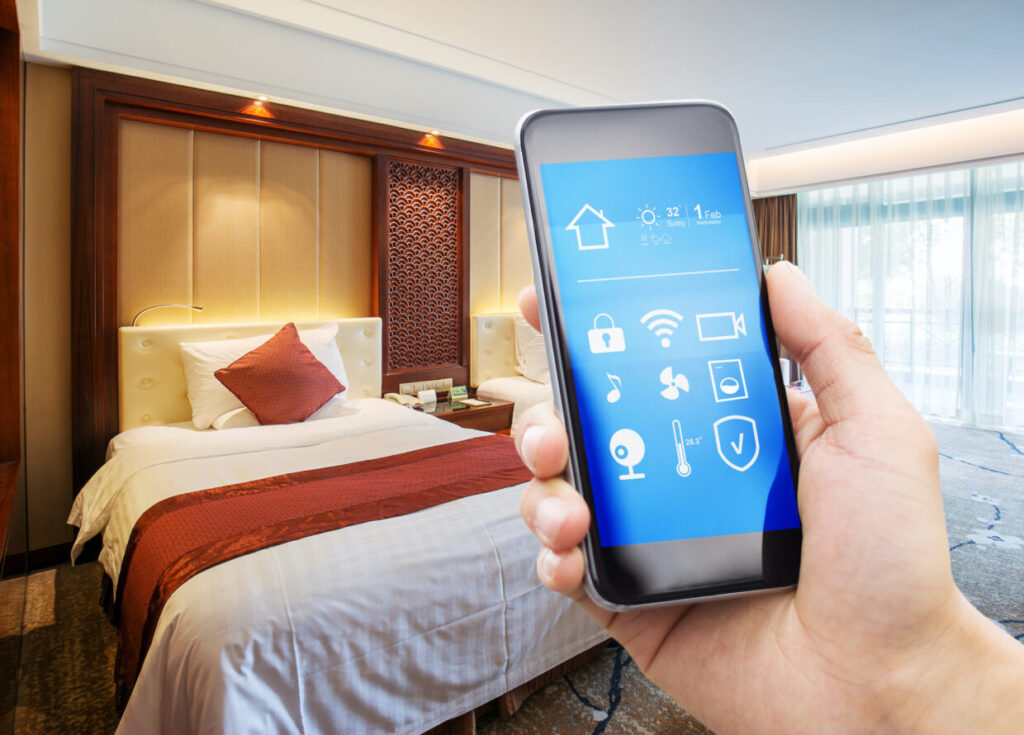
Enhancing Guest Experience with Modern Tech
Despite its historic roots, Gümüşyan Hotel integrates modern technology to meet the expectations of digital-age travelers. High-speed fiber optic Wi-Fi is available throughout the building, supporting the growing trend of “work-from-anywhere” digital nomadism. Smart locks, keyless check-in, and remote room access provide guests with convenience and privacy while maintaining minimal contact, a feature particularly appreciated in the post-pandemic hospitality world.
Rooms are equipped with energy-efficient systems, including climate control and LED lighting. Soundproofing materials ensure peace despite the central location. These technologies blend into the background, allowing the building’s ambiance to take center stage while still delivering a seamless guest experience.
Sustainability Through Smart Systems
In line with many modern boutique hotels, Gümüşyan has adopted green hospitality practices supported by technology. Motion sensors reduce energy waste in unoccupied rooms, and water-saving fixtures are installed throughout the property. While not advertised as a green hotel in the traditional sense, these sustainability elements align with a broader trend among heritage buildings being repurposed in environmentally conscious ways.
Real-World Examples and Case Studies Related to Gümüşyan Hotel
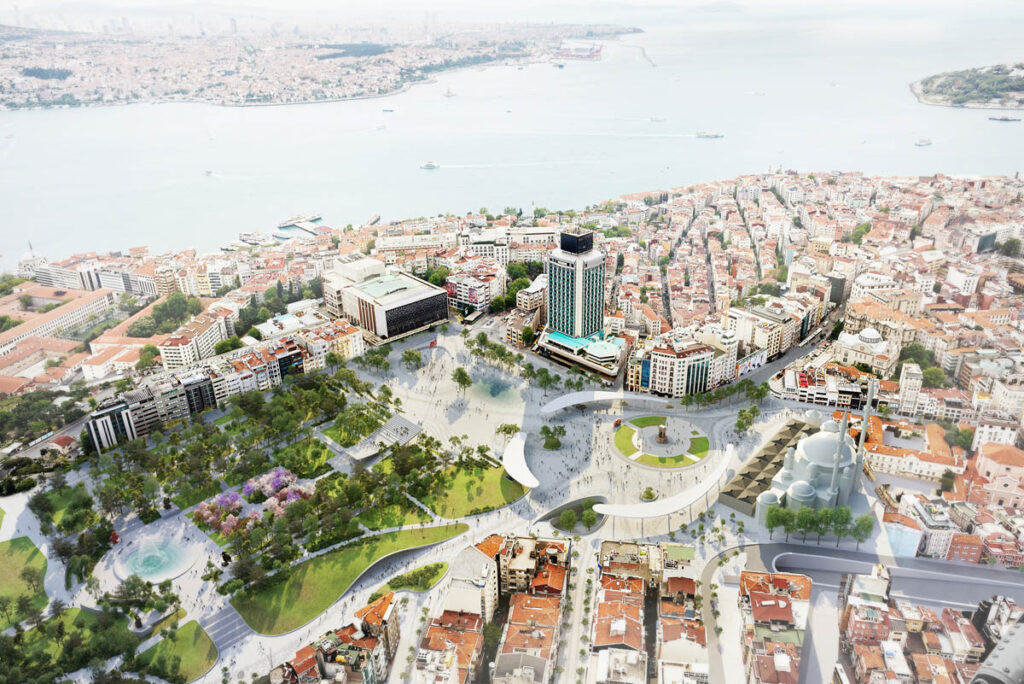
Istanbul’s Beyoğlu Revitalization Project.
One of the most relevant contextual examples is the broader revitalization of Beyoğlu, the district where Gümüşyan is located. Once the epicenter of diplomatic and artistic life in Ottoman-era Istanbul, the neighborhood had declined in the late 20th century. However, the last two decades have seen a strategic cultural revival supported by projects like SALT Galata, the Pera Museum, and adaptive reuse hotels like Gümüşyan.
These efforts show how boutique hotels can become cultural anchors, helping to preserve urban identity while promoting sustainable tourism. Gümüşyan’s presence has encouraged the opening of nearby art spaces, cafes, and bookstores, all of which contribute to the district’s creative resurgence.
Adaptive Reuse in Hospitality – Soho House Istanbul.
Another significant real-world example is Soho House Istanbul, located just blocks away in a repurposed 19th-century palazzo. While much larger in scale, Soho House and Gümüşyan share a philosophy: using history not as a backdrop but as a living part of the guest experience. This trend speaks to how Istanbul’s boutique accommodations are leveraging architectural heritage to stand apart from global chains.
Where Soho House appeals to a luxury demographic, Gümüşyan offers a more intimate, budget-friendly experience without sacrificing design quality. This diversity of boutique models allows Istanbul to serve multiple traveler types while maintaining a cohesive cultural narrative.
Gümüşyan’s Influence on Small-Scale Boutique Trend.s
Gümüşyan’s success has inspired smaller operators across Turkey to consider how legacy properties can be adapted for tourism. In towns like Ayvalık and Safranbolu, local entrepreneurs are replicating the mode, taking stone houses or historical inns and converting them into small guest houses that respect architectural details while introducing modern comforts.
This has fueled a movement of boutique-focused travel where guests actively seek out heritage-rich spaces over sterile modern hotels. Gümüşyan is not just a destination, on it has become a model for boutique hotel development across the country.
Benefits of Boutique Hospitality Rooted in Cultural Preservation

Authenticity and Storytelling
Gümüşyan’s greatest asset may be its story. Unlike cookie-cutter accommodations, staying at Gümüşyan offers guests a narrative experience from the building’s original purpose to its place in modern Istanbul’s creative corridor. Every design choice, every material, carries a sense of intentionality and history. This level of authenticity is increasingly valued by modern travelers who see accommodation not just as a place to sleep but as a part of their cultural journey.
By staying in a boutique hotel like Gümüşyan, visitors feel more integrated into the rhythm of the city, participating in its revival and contributing to its local economy in a meaningful way.
Economic and Cultural Sustainability
Boutique hotels such as Gümüşyan support local artisans, hire community members, and collaborate with nearby galleries and culinary spaces. This decentralized economic model contrasts with global hospitality chains that often outsource operations and centralize profit structures. Supporting places like Gümüşyan fosters sustainable urban development by rooting the economic impact within the community.
These benefits extend to city planning as well. Cities with a healthy network of small boutique hotels are often seen as culturally rich and resilient against economic downturns tied to global travel trends.
Use Cases: When Gümüşyan Hotel Becomes the Ideal Choice
Creative Professionals and Cultural Travelers
Gümüşyan Hotel attracts writers, architects, designers, and independent filmmakers who appreciate not only the aesthetics of the space but also the proximity to Istanbul’s cultural institutions. For these individuals, the hotel becomes more than lodging; it’s a retreat and a base for creative exploration.
With access to nearby design studios, libraries, and historic streets, staying at Gümüşyan supports both creative inspiration and practical workflow. The quiet ambiance and minimal distractions make it ideal for short residencies or reflective solo travel.
Couples Seeking Romantic Heritage Escapes
Thanks to its charm and understated elegance, Gümüşyan is frequently chosen by couples looking for a romantic escape that avoids the clichés of traditional luxury. With its historic balconies, soft lighting, and vintage atmosphere, it provides a perfect setting for slow travel, where intimacy and connection take priority over tour itineraries.
Being located within walking distance of both iconic and lesser-known cultural sites, couples can explore Istanbul at their own pace,ce returning each evening to the sanctuary of their room.
Solo Travelers and Urban Explorers
Solo travelers often praise the Gümüşyan Hotel for its sense of safety, convenience, and cultural relevance. With small-scale staff and personalized service, guests can navigate the city with confidence. For those exploring Istanbul’s more creative neighborhoods, the hotel acts as a cultural touchstone, both a refuge and a source of inspiration.
The hotel’s design encourages solo reading, journaling, or simply observing city life from a window. In a world of overly socialized travel, Gümüşyan offers space for personal reflection.
FAQ
Q1: Is Gümüşyan Hotel suitable for business travelers?
Yes. While primarily designed for cultural tourism, Gümüşyan offers fast Wi-Fi, quiet rooms, and close proximity to the business district, making it suitable for professionals seeking a boutique alternative to business hotels.
Q2: Does the hotel have accessibility features?
Given its historic nature, not all parts of the building are wheelchair accessible. However, some rooms on lower floors are more accessible, and the staff can assist with customized accommodations. It’s recommended to inquire in advance.
Q3: How does Gümüşyan Hotel differ from chain hotels?
Gümüşyan offers a personalized, culturally immersive experience rooted in architectural heritage. Unlike chain hotels, it provides fewer rooms, less commercialized service, and more authentic engagement with the surrounding neighborhood and local culture.